 blog
Best Power Reclining Sectionals 2026: What to Know
Table of Contents
- What Makes the Best Power Reclining Sectionals in 2026
- Quick Comparison: What to Weigh Before You Shop
- Power Reclining Sectional Buying Guide: Features That Matter
- Small Power Reclining Sectional Options for Tight Rooms
- Power Reclining Sectional Dimensions and Room Planning
- Power Reclining Sectional With USB Ports: What to Expect
- Delivery, Warranty, and Long-Term Reliability
- Frequently Asked Questions
Last Updated: October 17, 2026
What Makes the Best Power Reclining Sectionals in 2026
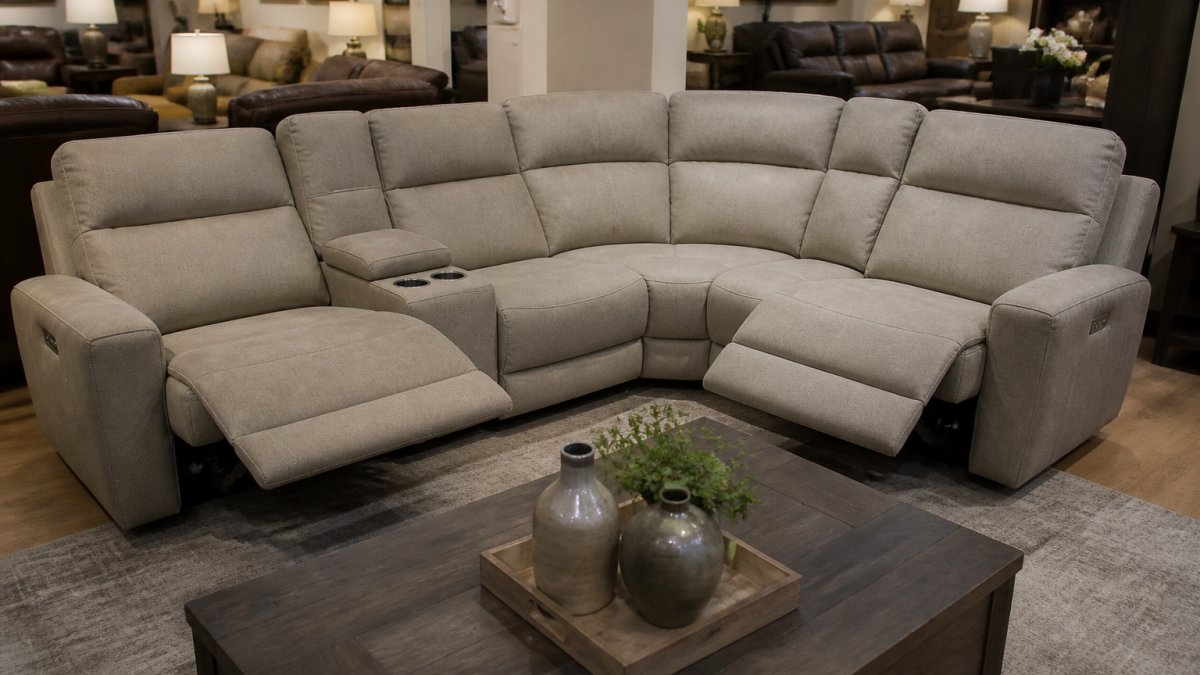
Power reclining sectionals are upholstered sectional sofas with motorized seats that adjust recline angle at the push of a button, typically paired with power headrests and USB charging. The best power reclining sectionals in 2026 get four things right: a steel or hardwood frame, cushions that hold their shape, a recline mechanism you can actually get serviced, and dimensions that fit your room.
Below, we'll walk through what separates a sectional that lasts fifteen years from one that sags in three, plus the measurements and power details most listings bury.
Quick Comparison: What to Weigh Before You Shop
Before you compare fabrics, compare categories. Most buyers rank looks first and mechanics last, then regret it. Flip that order.
| What You're Weighing | Why It Decides Satisfaction | Where to Check It |
|---|---|---|
| Recline mechanism | First part to fail, hardest to replace | Warranty terms on motor and frame |
| Wall clearance | Determines whether the room works | Spec sheet, measured against your wall |
| Configuration | L-shaped vs. U-shaped changes traffic flow | Floor plan and doorway widths |
| Upholstery | Leather wipes clean, fabric hides wear | Lifestyle: kids, pets, sunlight |
| Seat depth | Deep seats lounge, shallow seats support | Sit 10+ minutes in the showroom |
| Power features | USB, headrests, lighting add wiring needs | Outlet placement near the sofa |
A power reclining sectional sofa is a mechanical purchase wearing a fabric coat. Treat the motor, frame, and clearance as the decision, and the color as the reward.
Power Reclining Sectional Buying Guide: Features That Matter
Here's where most guides get it wrong: they list features without ranking them. We rank them, because a power headrest you never adjust is worth less than a frame that doesn't creak.
Power Recline, Power Headrests, and Adjustable Positions
Power recline lets each seat tilt independently, so one person can lie back while another stays upright reading. Power headrests adjust separately from the backrest, which matters more than shoppers expect: a reclined back with a fixed headrest pushes your chin toward your chest.
Dual power recliners on a sectional mean two motorized seats, usually the end pieces. Ask three questions before buying:
- How many seats are powered, and which ones?
- Does the headrest adjust independently of the backrest?
- Where is the motor mounted, and can a technician reach it without flipping the sofa?
That last one is the insider question. A motor buried under a fully assembled frame turns a small repair into a furniture-moving project.
Frame Construction, Cushioning, and Upholstery
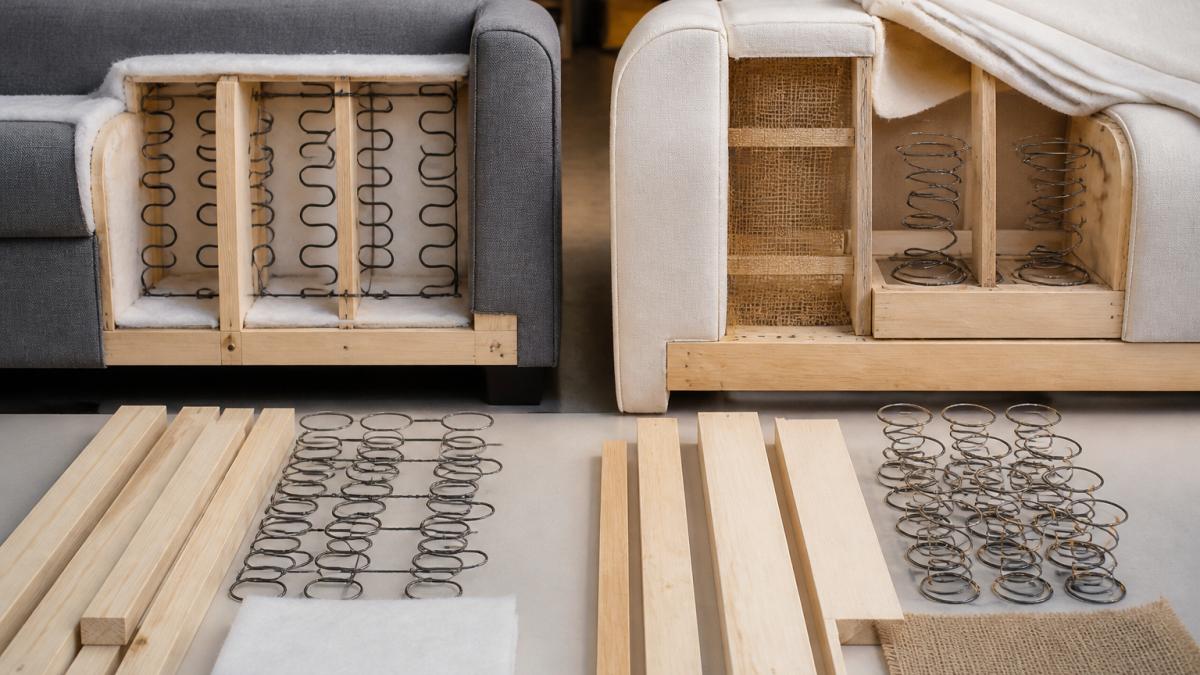
A solid wood frame or a metal frame is the difference between a sectional that survives a decade of movie nights and one that develops a squeak by year two.
Cushioning splits into two camps. Plush cushions and pillow-back cushions feel wonderful on day one; high-resilience foam wrapped in fiber holds its shape longer. Deep seat designs suit lounging; shallower seats suit sitting upright with company.
Upholstery comes down to life stage:
- Genuine leather upholstery wipes clean, ages visibly, and handles pets better than most fabrics.
- Fabric upholstery in linen or performance weaves offers more color range and a softer hand.
- Premium materials cost more up front and usually outlast budget covers.
Small Power Reclining Sectional Options for Tight Rooms
A small power reclining sectional is not a compromise; it's a measurement problem solved. The trick is choosing a compact configuration: a three-piece L-shaped sectional with one powered end recliner often fits where a four-piece or five-piece layout won't.
What to look for in tight spaces:
- Armless seat pieces in the middle, so the footprint stays lean
- A chaise instead of a full second recliner to save depth
- Wall-hugger or zero-wall recline mechanisms that need only a few inches behind the back
Measure your doorway and the tightest turn in your hallway before you shop. A sectional that won't clear the stairwell is a sectional you'll return.
Power Reclining Sectional Dimensions and Room Planning
Power reclining sectional dimensions matter more than any other spec, because recline clearance is invisible until delivery day. A standard reclining seat needs room behind it to lay flat; a wall-hugger mechanism needs far less.
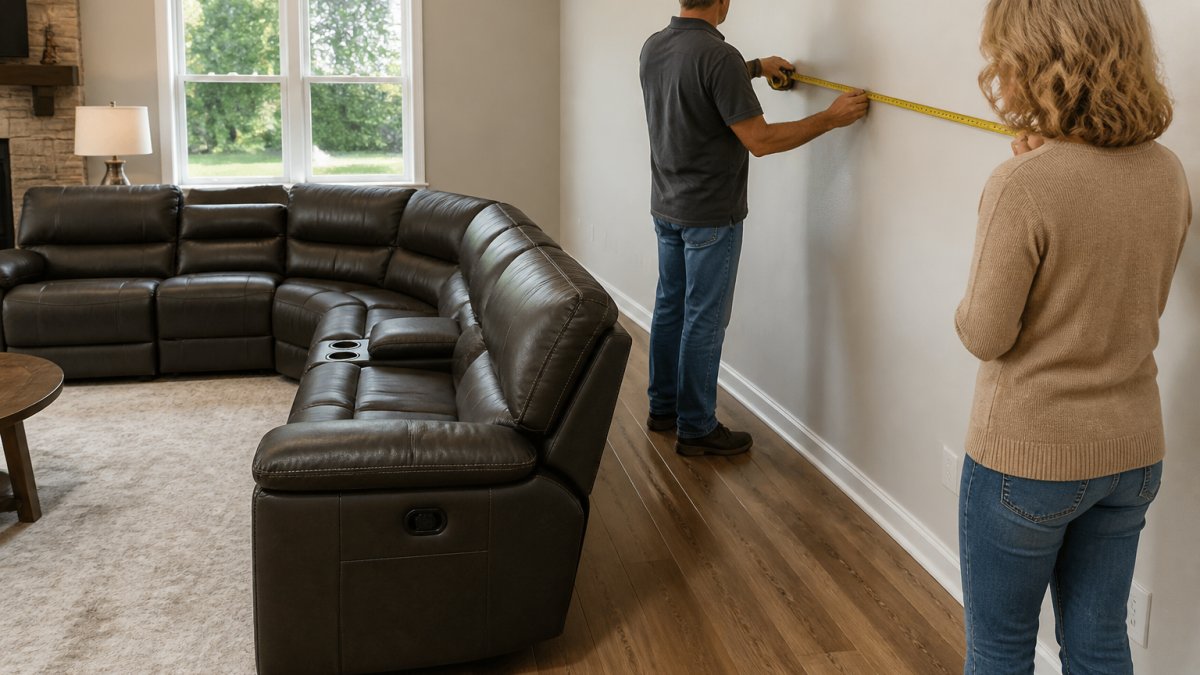
The measurement checklist
Work through these six numbers before you commit to a configuration. Write each one down; guessing is how returns happen.
- Wall-to-wall width where the sofa will sit, minus at least 30 inches of walking space on each open side. A sectional pushed tight to both walls traps the end recliner.
- Wall clearance for full recline. Traditional recliners commonly need 12 to 18 inches behind the back; wall-hugger and zero-wall mechanisms typically need 4 to 8 inches. Confirm the exact figure on the spec sheet for the model you are considering.
- Extended depth with footrests fully open. A seat that sits 40 inches deep closed can project 60 inches or more when reclined. Measure from the front of the closed footprint to the fully extended footrest.
- Walkway width past the open footrest. Leave at least 18 inches for a person to pass; 24 inches is comfortable. If the open footprint blocks your coffee table or a doorway, the layout fails.
- Doorway, hallway, and stair width for delivery access. Measure the narrowest point on the path from the truck to the room, not just the front door.
- Outlet location and cord reach. A power recliner needs a grounded outlet within reach of its cord, ideally on a wall the sofa backs onto. A cord stretched across a walkway is a trip hazard and a code concern in most homes.
Sketch the closed and open footprints
Draw the room to scale on paper, then draw the sectional twice: once with footrests closed and once fully extended. Overlay the open footprint on your walking paths, coffee table, and doorway swing. This is the single most useful planning exercise for a power sectional, because it exposes the failure mode that photos hide, a sofa that fits the wall perfectly but leaves no room to walk past it once both footrests are up.
Power and safety planning
Plan the electrical side at the same time as the footprint:
- Outlet placement: confirm the outlet is not behind the sofa's frame where the plug cannot reach. A recessed outlet or a short extension rated for the recliner's draw solves most cases.
- Cord management: route cords along the wall or under the frame, never across a walkway. Some models offer a battery backup or a low-voltage option for power-loss situations; ask whether the mechanism can be manually released if the power goes out.
- Pinch points: recline mechanisms create pinch zones at the hinge and under the footrest. Keep pets, small children, and loose cords clear of the mechanism path.
Power Reclining Sectional With USB Ports: What to Expect
A power reclining sectional with USB ports puts charging where people actually sit, usually built into the control panel or a center console. Most current models offer USB-A, and USB-C charging is increasingly common on newer designs.
What buyers should confirm:
- Port type and count: USB-A only, or USB-C charging too?
- Charging speed: some ports are low-power and slow to top up a phone
- Built-in storage and LED reading lights: handy, but they add wiring and controls to service later
One honest limitation: USB ports draw from the same power supply as the recline motor, and on budget builds a failing port can take the whole control panel with it.
Delivery, Warranty, and Long-Term Reliability
Long-term reliability is the angle most buying guides skip, and it is where a local purchase earns its keep. Power reclining mechanisms are the first component to need service, so warranty terms on the motor and frame deserve a real read, not a glance. The questions below are the ones that separate a sectional you can service from one you will replace.
Compare warranties on three lines
- Frame coverage: commonly 5 to 10 years on better builds, sometimes limited lifetime. Read what voids it, improper cleaning, moving the sofa by its back, or using an unapproved power supply are common exclusions.
- Recline mechanism and motor: the part most likely to fail. Coverage commonly runs 1 to 5 years; ask whether the labor to replace the motor is covered or parts-only.
- Upholstery and cushions: usually the shortest coverage, often 1 year. Leather and performance fabric may carry separate terms.
Ask about repairability and parts
A warranty is only as good as the parts pipeline behind it. Before buying, ask:
- Is the motor module replaceable on its own, or is it integrated into the seat frame?
- Can a technician reach the motor without disassembling the sofa?
- Are replacement motors, control panels, and USB modules stocked, and what is the typical lead time?
A motor buried under a fully assembled frame turns a small repair into a furniture-moving project. A modular design with an accessible motor is the difference between a service call and a disposal fee.
Delivery and access constraints
A six-piece sectional arrives in multiple boxes or on a truck, and setup involves aligning pieces, connecting power, and testing every seat. Plan the delivery before you buy:
- Measure the path: doorway width, hallway turns, stair width, and elevator dimensions if applicable. Confirm the narrowest point clears the largest box or piece.
- Modular delivery: most sectionals ship as separate pieces precisely so they can navigate tight paths. Confirm the piece count and the largest single piece's dimensions.
- Assembly requirements: some models require attaching legs, back panels, or connecting power between pieces. Ask whether assembly is included.
Service coverage and maintenance
Ask who performs warranty service in your area and how a technician is dispatched. A common pattern is that national retailers route service through third-party networks with multi-week waits, while local dealers often handle service directly. Expected maintenance is modest but real: vacuum under and behind the seats, keep the mechanism free of debris, and test every powered seat monthly so a failing motor is caught under warranty rather than after it.
We offer financing options and professional delivery and setup, and when you call Cannon's Fine Home Furnishings you reach a real person.
Frequently Asked Questions
Are power reclining sectionals worth the money?
They can be, if you plan to use the reclining seats daily. Power reclining sectionals cost more than manual ones because of the motor, wiring, and control hardware, but they let you fine-tune positions for reading, watching TV, or napping. The value depends on frame quality, cushioning, and warranty coverage. A well-built power reclining sectional from a brand with a solid frame warranty will usually outlast a cheaper model with thin materials. Sit in a few in person before you decide.
How do you measure a room for a power reclining sectional?
Start with the wall where the sectional will sit, then add the recline clearance behind or in front of each seat. Measure doorways and hallways along the delivery path, and check stairwell turns if the room is upstairs. Power reclining sectional dimensions vary by configuration, so note the full length, depth when reclined, and height of the back. Leave a few inches of breathing room around the piece so it does not feel cramped.
Do power reclining sectionals need to be plugged in?
Yes. Each power recliner runs on a motor that needs a standard outlet, so plan where the cords will go before delivery. Many models have a single plug that powers the whole row, while others need one outlet per reclining seat. If your room has limited outlets, ask about the wiring setup before you buy. Some power reclining sectionals with USB ports also charge devices from the same power source.
Can a small power reclining sectional fit in a tight living room?
Often, yes. A small power reclining sectional built as an L-shaped or three-piece layout can fit rooms where a full-size sectional will not. The key is checking depth when reclined, not just the footprint at rest. Measure the distance from the wall to the front edge of the reclined seat and compare it to your open floor space. A local showroom lets you see the actual dimensions and test the recline before you commit.