 blog
Ashley vs Bob's Furniture Quality: A 2026 Comparison
Table of Contents
- Ashley vs Bob's Furniture Quality: What Actually Differs
- How to Spot Quality Furniture Before You Buy
- Solid Wood vs Particle Board Furniture: The Construction Divide
- Furniture Warranty Comparison: What Each Brand Covers
- Price Point vs Long-Term Value: Budget-Friendly or Mid-Range?
- Delivery Logistics, Assembly, and the In-Store Experience
- Maintenance, Resale Value, and Sustainability: Angles Most Comparisons Skip
- Conclusion
- Frequently Asked Questions
Last Updated: October 1, 2026
Ashley vs Bob's Furniture Quality: What Actually Differs
Ashley and Bob's both sell furniture at scale, but they build it differently. Ashley manufactures much of its own line and controls its supply chain; Bob's largely sources finished goods from third-party suppliers. That difference shapes frame materials, cushion construction, warranty terms, and post-delivery support.
This guide from Cannon's Fine Home Furnishings breaks down what separates the two on furniture quality, from joinery and cushion density to warranty claims and resale value. After decades helping Tri-Cities families compare sofas, bedroom sets, and dining tables in person, the pattern is consistent: the label matters less than what's under the upholstery.
How to Spot Quality Furniture Before You Buy
Quality furniture is identifiable with hands-on inspection. Check four things: the frame, the joints, the cushion core, and the finish.
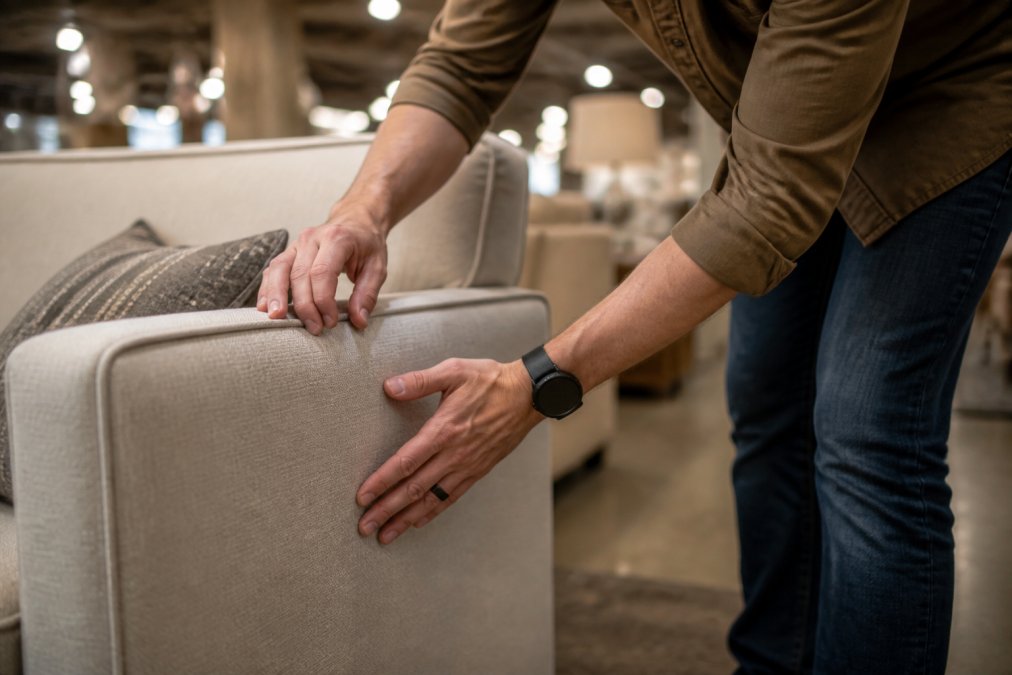
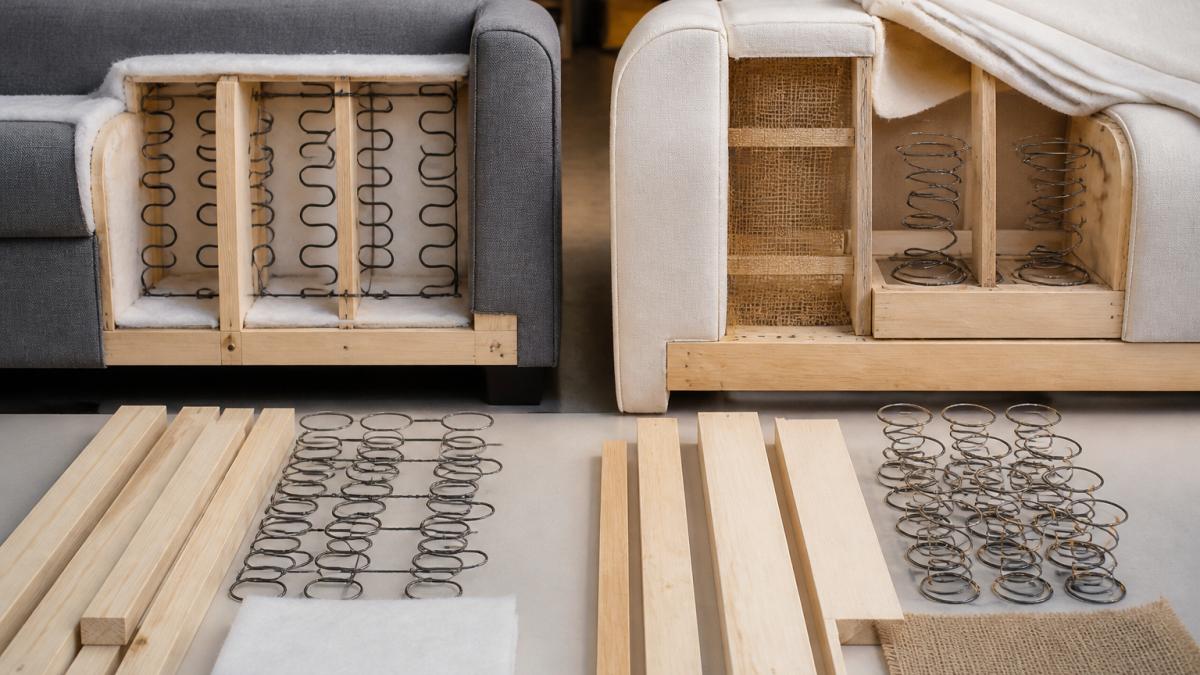
Start with the frame. Press down hard on one corner of a sofa. Kiln-dried hardwood feels rigid and quiet; particle board flexes, creaks, or gives under pressure, the sound of glue and staples doing work that wood should be doing.
Check the Frame, Joints, and Cushion Density
Lift one front corner a few inches off the floor. A rigid frame lifts the opposite corner with it; if the other corner stays planted, the frame is flexing.
Then check the joints. Doweled and corner-blocked joints hold up for years; stapled butt joints, common in budget construction, loosen within a few years of daily use. Reach underneath and feel the frame rail for metal brackets and glued blocks.
Cushion density decides how a sofa feels in year three, not year one. High-resilience foam rated 1.8 to 2.5 pounds per cubic foot holds its shape; lower-density foam compresses permanently within a year or two.
Solid Wood vs Particle Board Furniture: The Construction Divide
Solid wood and particle board furniture differ in one fundamental way: what holds the screws. Solid wood and plywood hold fasteners for decades. Particle board, made from wood chips pressed with resin, loses holding strength every time it is stressed.
This is the biggest gap in the Ashley vs Bob's furniture quality conversation. Both brands sell at multiple price tiers and use engineered wood in some lines; the question is where and how much.
Kiln-Dried Hardwood, Plywood, and MDF Explained
Kiln-dried hardwood is lumber dried in a controlled oven to low moisture content before construction. It resists warping, cracking, and insect damage far better than green or air-dried wood.
Plywood is thin layers of wood glued in alternating directions. That cross-grain structure makes it strong, stable, and good at holding screws.
MDF is fine wood fiber bonded with resin under heat and pressure.
| Material | Holds Screws | Moisture Resistance | Typical Use |
|---|---|---|---|
| Kiln-dried hardwood | Excellent | Good | Frames, legs, rails |
| Plywood | Good | Good | Cabinet boxes, drawer sides |
| MDF | Fair | Poor | Painted panels, fronts |
| Particle board | Poor | Poor | Budget case goods |
Furniture Warranty Comparison: What Each Brand Covers
Furniture warranties vary more by product line than by brand, and the headline term is the least useful number on the page. A "10-year warranty" covering only the frame, excluding labor, shipping, and fabric, tells you almost nothing about a recliner mechanism failing in year three.
Warranty Claims, Replacement Parts, and Post-Purchase Support
- Frame and springs: often the longest coverage, sometimes measured in years, but usually limited to manufacturing defects rather than wear, misuse, or normal softening.
- Cushions and foam: typically the shortest coverage, because foam compression is classified as normal wear rather than a defect. This is the single most common source of denied claims.
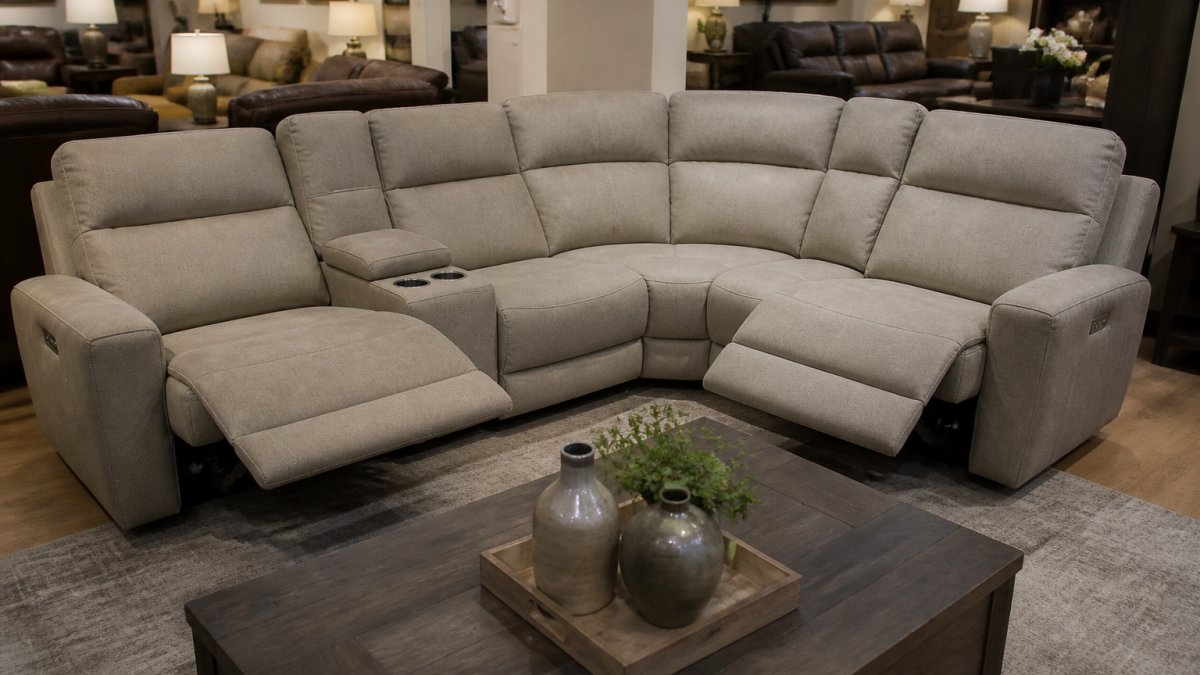
- Recliner and power mechanisms: often carry their own term, sometimes longer than the frame, but coverage frequently excludes the motor, wiring, and remote as separate components.
- Fabric, leather, and finish: usually excluded or limited to a short window, since fading, pilling, and cracking are treated as use-related.
- You ship the part back at your own cost. Common on smaller components. You pay freight both ways, then wait for inspection.
- They send the part, you pay labor. The replacement arrives, but you arrange and pay for someone to install it.
- The original retailer handles it end to end. You make one call, and the store that sold you the piece manages the part, the labor, and the scheduling.
This is where a local, family-owned store changes the experience. At Cannon's Fine Home Furnishings, calling about a delivery issue or replacement part reaches a real person who can look up your order and act on it, not a national call center reading from a script. That difference shows up most in the months after purchase, when a warranty claim actually needs to move.
Price Point vs Long-Term Value: Budget-Friendly or Mid-Range?
Price point and value are not the same number. A budget sofa needing replacement in four years can cost more per year of use than a mid-range sofa lasting twelve. Run the math on cost per year, not cost at checkout.
Delivery Logistics, Assembly, and the In-Store Experience
Delivery and assembly are part of the product, whether the receipt says so or not. A damaged sofa or a bed frame arriving in forty flat-packed pieces changes how you feel about the purchase long after the price is forgotten. The useful question is which logistics model you are actually buying into.
The Three Delivery Models, and What Each One Costs You
Regional carrier, curbside or threshold drop. The lowest-cost model. A freight carrier leaves the boxed item at your door or garage; you own the unboxing, hauling, assembly, and packaging disposal. Damage claims are time-sensitive and often require photos within a short window.
Why In-Store Still Beats a Product Photo
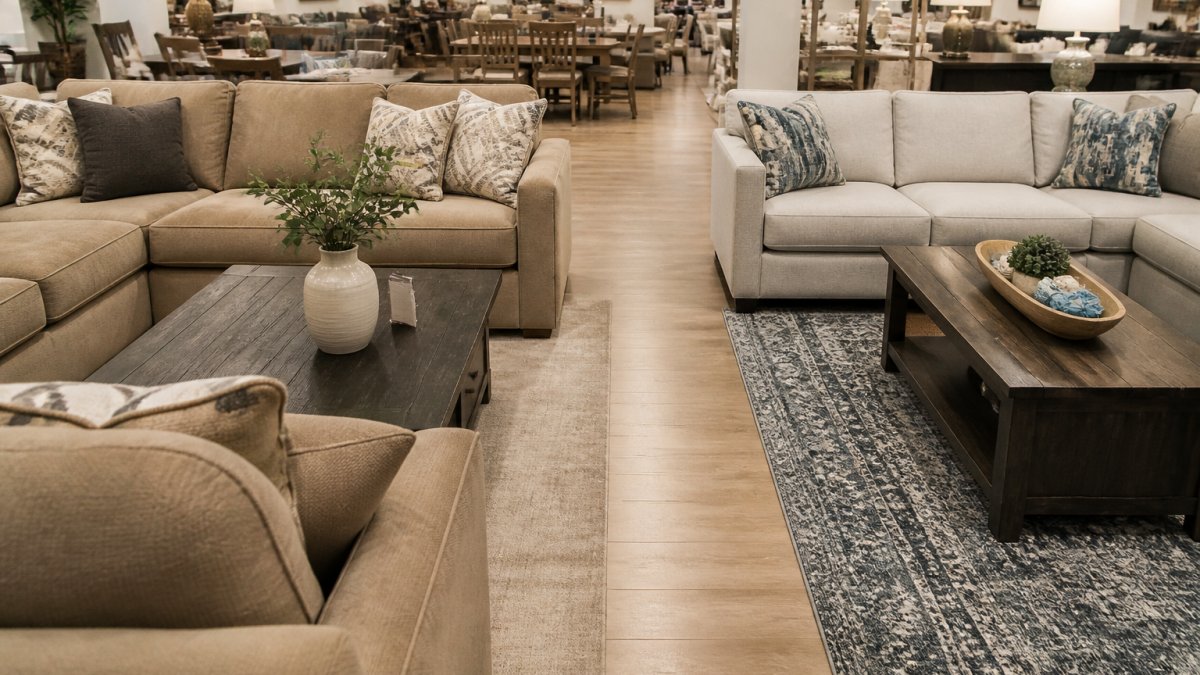
At Cannon's Fine Home Furnishings, our 70,000-square-foot showroom lets you see, sit on, and compare furniture in person, with professional in-home delivery and setup. If you have a small bedroom or awkward doorway, we can help you figure out whether a piece will actually fit before you buy it, and because our crew handles delivery and assembly, the same team that brings it in is the one you call if anything needs attention.
Maintenance, Resale Value, and Sustainability: Angles Most Comparisons Skip
Maintenance, resale, and sustainability rarely make it into brand comparisons, and they should. They determine what your furniture is worth in five years, not just what it cost today.
Maintenance basics that extend product longevity:
- Rotate and flip cushions monthly to even out wear
- Vacuum upholstery every few weeks to lift grit that abrades fabric
- Keep furniture out of direct sunlight to slow fabric fading
- Tighten visible screws and bolts twice a year
- Clean spills immediately to prevent stains from setting
Conclusion
Comparing Ashley vs Bob's furniture quality comes down to construction, not logos. Check the frame material, joinery, cushion density, and warranty terms on the specific piece you are considering, because both brands sell across multiple quality tiers.
Frequently Asked Questions
Is Ashley Furniture considered high quality?
Ashley Furniture sits in the mid-range tier. Its upper lines use kiln-dried hardwood frames and higher-density foam, while entry-level pieces rely more on particle board and lower-density cushions. Quality varies significantly by collection, so check the frame material and cushion density on the specific piece you're buying rather than judging the whole brand.
Is Bob's Discount Furniture known for long-lasting durability?
Bob's positions itself as budget-friendly, and that shows in the materials. Many sofas use engineered wood frames and lower-density foam, which can compress faster under daily use. Customer sentiment often praises the price point and delivery logistics but notes fabric wear and cushion flattening sooner than with mid-range or premium brands. Longevity depends heavily on how heavily the piece is used.
How do you determine if a sofa is well-built?
Lift one corner. A well-built sofa feels heavy and solid, not light. Check the frame by looking under the cushions or at the back panel: kiln-dried hardwood and plywood beat particle board. Press the seat cushion: it should spring back quickly, which signals higher cushion density. Also examine the joinery techniques at the corners, and ask about the warranty, since strong coverage usually signals the maker's confidence in product longevity.
Are there better alternatives to big-box furniture stores for long-term value?
Big-box stores win on price point and inventory availability. Local, family-owned retailers often carry brands with solid wood construction, better warranty coverage, and in-person product testing before you buy. You also get post-purchase support from a real person instead of a national call center, which matters when a warranty claim or replacement part is needed. The trade-off is usually a higher upfront cost in exchange for better material quality and product longevity.