 comparison
Is a Tempur-Pedic Mattress Worth the Price?
Table of Contents
- The Verdict: Is a Tempur-Pedic Mattress Worth the Price?
- Tempur-Pedic Mattress Pros and Cons
- Tempur-Pedic Mattress Price: What You Pay and Why
- How Long Does a Tempur-Pedic Mattress Last?
- Tempur-Pedic Mattress for Back Pain: Support and Pressure Relief
- Model-by-Model Value: Cloud, ProAdapt, and LuxeBreeze Compared
- Total Cost of Ownership: Price Per Night and Return Policy Details
- Frequently Asked Questions
Last Updated: October 12, 2026
The Verdict: Is a Tempur-Pedic Mattress Worth the Price?
That's the short answer. The longer one depends on your sleep position, your body weight, and how long you plan to keep the bed.
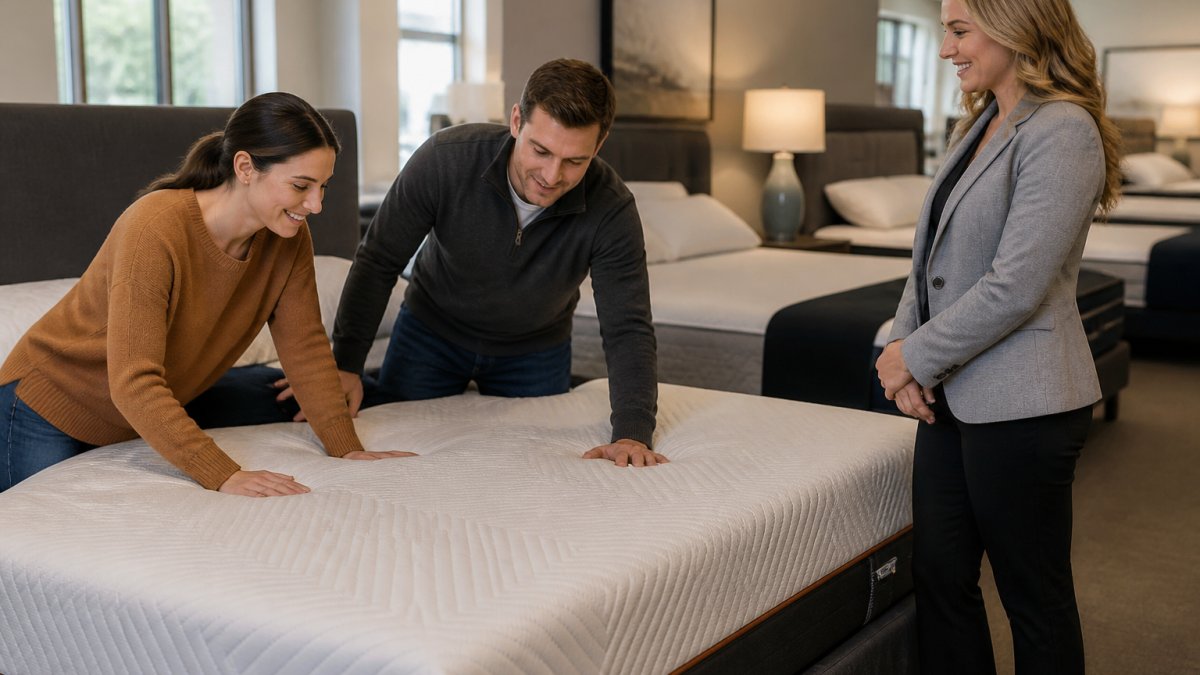
At Cannon's Fine Home Furnishings, we've helped Tri-Cities shoppers test Tempur-Pedic beds in person.
Below, we'll break down the pros and cons, what drives the price, how long the mattress lasts, and which models deliver the most value for specific sleepers.
Tempur-Pedic Mattress Pros and Cons
The Tempur-Pedic mattress pros and cons come down to one trade-off: you get exceptional pressure relief and motion isolation, but you pay more and give up the springy, easy-to-move feel some sleepers prefer.
Where the Mattress Excels
- Pressure relief: The slow-moving foam contours to your shoulders and hips, which matters most for side sleepers.
- Motion isolation: A partner rolling over barely registers, a real benefit for light sleepers.
- Durability: The dense foam holds its shape far longer than budget memory foam.
- Spinal alignment: Back and stomach sleepers who need firm, even support tend to do well.
Where It Falls Short
- Heat retention: Traditional foam sleeps warmer, though the Breeze collection addresses this.
- Ease of movement: That slow-moving feel makes it harder to shift positions or get out of bed.
- Price: You pay a premium, and the gap versus mid-range foam is real.
- Off-gassing: A new foam mattress can carry a smell for the first few days.
Tempur-Pedic Mattress Price: What You Pay and Why
The Tempur-Pedic mattress price reflects material density, proprietary foam, and model tier rather than brand markup alone. Denser foam costs more to make, lasts longer, and holds its shape better, which is the core reason these beds sit above mid-range foam.
Because Tempur-Pedic adjusts pricing and promotions through the year, the most useful way to judge value is to understand the price ladder and the size premium, then run your own cost-per-night math.
How the Price Ladder Works
Tempur-Pedic organizes its lineup into tiers, and each step up adds foam density, adaptive layers, or cooling technology:
- Entry tier (TEMPUR-Cloud): The lowest-priced way into the brand. You get the classic slow-conforming foam feel without phase-change cooling or the thickest comfort layers.
- Mid tier (TEMPUR-ProAdapt): Adds a more adaptive comfort layer and more support options, including firmness choices. This is where most combination sleepers land.
- Upper tier (TEMPUR-LuxeAdapt): Thicker, denser comfort layers and more contouring for side sleepers who need deeper pressure relief.
- Cooling tier (TEMPUR-Breeze): The ProBreeze and LuxeBreeze models add phase-change material and ventilated layers, which is the single biggest price jump in the line.
The Size Premium
Every tier prices up as the mattress gets bigger. A queen is the reference point most shoppers use, and the step from queen to king or California king typically adds a meaningful percentage rather than a flat fee. Two practical notes:
- Split king and adjustable-friendly sizes cost more than a standard king because they are two pieces.
- Foundation or adjustable base is a separate line item. A matching base can add several hundred dollars, and skipping a supportive foundation can void the warranty.
What Actually Drives the Number Up
- Foam density: Higher-density foam costs more but resists sagging longer.
- Cooling technology: Breeze models add phase-change material and airflow layers, which raises the price.
- Comfort layer thickness: More inches of premium foam means a higher ticket.
- Firmness options: Models with multiple firmness choices carry a slightly higher price than a single-firmness build.
Cost Per Night: The Math That Settles the Argument
Sticker price alone does not answer whether a Tempur-Pedic is worth it. Divide the total cost by the nights you expect to sleep on it:
- Cost per night = (mattress price + foundation + protector) ÷ (expected years × 365)
- A bed that lasts 12 years spreads its cost across roughly 4,380 nights.
- A cheaper mattress replaced every four years spreads its cost across roughly 1,460 nights, and you pay the delivery, setup, and shopping friction three times.
Run that math with your own numbers and the premium narrows considerably. The gap widens again if you buy the wrong firmness and replace the bed early, which is why testing in person matters.
For current pricing on the models we stock, check our showroom or website, since Tempur-Pedic adjusts pricing and promotions through the year.
How Long Does a Tempur-Pedic Mattress Last?
A Tempur-Pedic mattress lifespan typically runs 10 to 15 years, longer than most budget memory foam, because the dense foam resists the sagging that ends a cheaper mattress's life early.
Three things shorten that lifespan: a weak foundation, no mattress protector, and heavy, uneven loading from sitting on the same edge every night.
The honest caveat: "lasts 15 years" assumes average body weight and a supportive foundation. A cheap box spring under a premium foam bed undercuts the whole point.
Tempur-Pedic Mattress for Back Pain: Support and Pressure Relief
A Tempur-Pedic mattress for back pain works by distributing weight evenly and holding your spine in neutral alignment, which reduces the pressure points that cause morning aches.
It isn't a cure, and it isn't right for everyone. Stomach sleepers often need a firmer surface than foam provides, and anyone with a specific medical condition should talk to their doctor before treating a mattress as a fix.
What the foam does well:
- Cradles the lower back and hips to reduce pressure buildup
- Keeps the spine neutral for side and back sleepers
- Absorbs motion so a partner's movement doesn't jolt a sore back awake
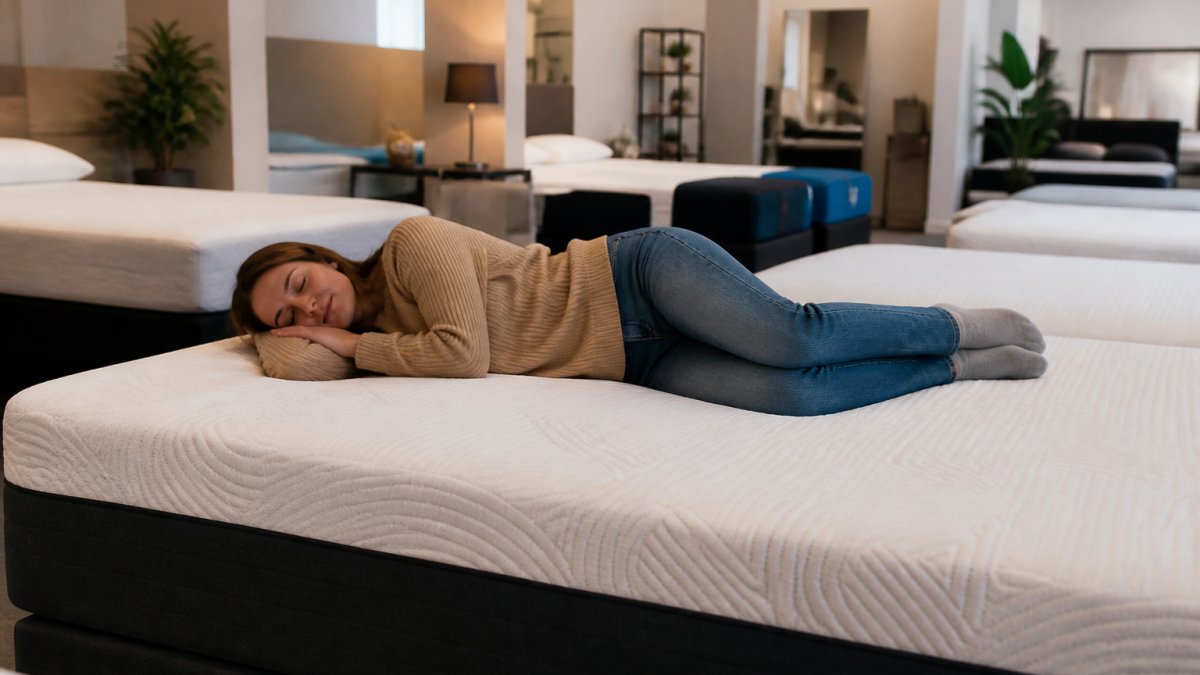
If back pain is your main driver, test the firmer models and give each a full 15 minutes.
Model-by-Model Value: Cloud, ProAdapt, and LuxeBreeze Compared
Value differs sharply across the lineup, so matching the model to your needs matters more than buying the most expensive one.
| Model | Feel | Best For | Cooling |
|---|---|---|---|
| TEMPUR-Cloud | Plush, conforming | Side sleepers, first-time foam buyers | Standard |
| TEMPUR-ProAdapt | Adaptive, medium | Back and combination sleepers | Standard |
| TEMPUR-LuxeBreeze | Adaptive, cool | Hot sleepers, couples | Advanced |
The TEMPUR-Cloud is the entry point and the best value for most first-time buyers.
The TEMPUR-ProAdapt sits in the middle and suits combination sleepers who want more adaptive support.
The TEMPUR-LuxeBreeze carries the premium for its cooling technology. If you sleep hot, that cooling is the feature you're actually paying for.
Total Cost of Ownership: Price Per Night and Return Policy Details
The smartest way to judge value is cost per night, not sticker price. Divide the mattress price by the number of nights you'll sleep on it, and a bed that lasts 12 years often costs less per night than a cheap mattress you replace in four.
Here's the framework we use with customers:
- Cost per night: Price divided by (years of life × 365 nights).
- Foundation cost: Add the base, since a bad one shortens the mattress's life.
- Protector cost: A waterproof protector protects both the warranty and the foam.
- Return friction: Read the fine print before you buy, not after.
The Fine Print That Decides Whether You Can Actually Return It
Most mattress trials look generous on the surface. The friction lives in the details, and this is where most reviews stop short. Before you buy, confirm each of these:
- Trial length and start date: Trials usually run a set number of nights, and the clock often starts at delivery, not at order. Confirm the exact window.
- Mandatory break-in period: Many policies require you to sleep on the mattress for a minimum number of nights before a return is allowed. You cannot return it on night two.
- Return fees: Some policies charge a processing or transportation fee, and some waive it. Ask for the number in writing.
- Pickup or drop-off: You may be required to have the mattress picked up, or to drop it at a designated location. Confirm who arranges it and who pays.
Warranty Coverage: What It Covers and What It Doesn't
A Tempur-Pedic warranty is a durability guarantee, not a comfort guarantee. The two are easy to confuse:
- What it covers: Manufacturing defects and sagging beyond a specified indentation threshold, measured with no weight on the mattress.
- What it doesn't cover: Normal softening, a comfort preference change, stains, burns, or damage from an unsupportive foundation.
- What you need to keep: Proof of purchase and a foundation that meets the warranty requirements. Using the wrong base can void coverage.
- What the process looks like: You typically file a claim, provide photos and measurements, and ship or deliver the mattress for inspection if approved. That logistics step is where many owners give up.
Direct Versus Retailer Purchase: Where the Risk Shifts
Where you buy changes your return and warranty experience more than most shoppers expect:
- Buying direct usually means a standardized trial and warranty process, but you deal with a call center and ship the mattress back yourself if you return it.
- Buying through a retailer can mean in-person testing, local delivery, and a local team handling a claim, but the trial and return terms are set by the retailer, not the brand, so they can differ.
- The key question to ask either way: Who handles a warranty claim, who pays for pickup, and what happens if the model is discontinued?
Buying in person removes most of that friction. You test the actual bed, ask about the trial and warranty terms face to face, and deal with a local team if something needs fixing rather than a national call center.
Frequently Asked Questions
What are the downsides of Tempur-Pedic mattresses?
The main drawbacks are the slow-moving memory foam feel that some sleepers find hard to move on, potential heat retention for hot sleepers, and a higher upfront cost than many alternatives. Off-gassing can occur initially, though it fades. The mattresses are also heavy, making them difficult to rotate alone. Cannon's Fine Home Furnishings lets you test these factors in person before buying.
How long do Tempur-Pedic mattresses last?
Tempur-Pedic mattresses typically last 8 to 10 years or more, depending on care and usage. The high-density memory foam resists sagging better than lower-quality foams. Rotating the mattress regularly and using a protective cover can extend its lifespan. Cannon's Fine Home Furnishings offers a showroom to compare models and discuss warranty terms, which cover manufacturing defects for a defined period.
Are Tempur-Pedic mattresses good for back pain?
Many people with back pain find Tempur-Pedic mattresses helpful because the memory foam contours to the spine and relieves pressure points. The material adapts to your body shape, promoting spinal alignment. For side sleepers, it cushions shoulders and hips; back sleepers get even support. However, stomach sleepers may need a firmer model to avoid sinking. Testing in person at a local showroom is the best way to confirm fit.
Do Tempur-Pedic mattresses sleep hot?
Original memory foam models can retain heat, but Tempur-Pedic's Breeze collection is designed with cooling technology to improve temperature regulation. If you sleep hot, the LuxeBreeze or ProBreeze models are worth considering. The cover materials and airflow layers help dissipate heat. In a showroom, you can feel the surface temperature difference between standard and Breeze models before deciding.
Choosing the right mattress is a decision you'll live with every night for a decade, and getting it wrong is expensive. At Cannon's Fine Home Furnishings, we let you test Tempur-Pedic, Stearns & Foster, Sealy, and more side by side in our 70,000-square-foot showroom, with personalized guidance, flexible financing, and professional in-home delivery and setup. Get started with Cannon's Fine Home Furnishings and find the bed that earns its price every night.